AI Translation in 2026 — DeepL vs ChatGPT vs Google
Is AI translation good enough in 2026? Honest comparison of DeepL, ChatGPT, Google Translate, and Claude — with a real sentence-by-sentence quality test.

AI translation is good enough for most everyday tasks in 2026 — and has been for routine business communication for at least two years. The longer answer: quality varies significantly between tools and use cases, and there are specific situations where AI translation still falls short.
We tested four tools on the same 500-word business proposal translation from English to French, plus several additional tests on different content types.
The bottom line upfront: For European business documents: DeepL. For anything requiring specific instructions: ChatGPT or Claude. For rare languages or travel: Google Translate. For long documents: Claude. Not sure which AI assistant fits your needs overall? Our ChatGPT vs Claude vs Gemini comparison breaks down when each one is worth using.
DeepL — Best accuracy for European languages
DeepL consistently produces the most natural-sounding translations for European language pairs. In a 2025 blind test involving 3,000 professional translators, DeepL output was preferred over Google Translate in 72% of cases for German, French, Spanish, and Portuguese. The tone preservation is noticeably better — business emails stay formal, casual messages stay casual.
Test result: Translated a 500-word English business proposal into French. DeepL output required zero edits for tone and minimal edits for terminology. Google Translate required 12 tone corrections. ChatGPT was accurate but slightly more formal than the source.
Free limit: 500,000 characters/month. Paid from $8.74/month.
Strengths: Tone preservation, nuance, European language pairs. Weaknesses: Fewer languages than Google (33 vs 243), no Asian language strength.
Google Translate — Best coverage, 243 languages
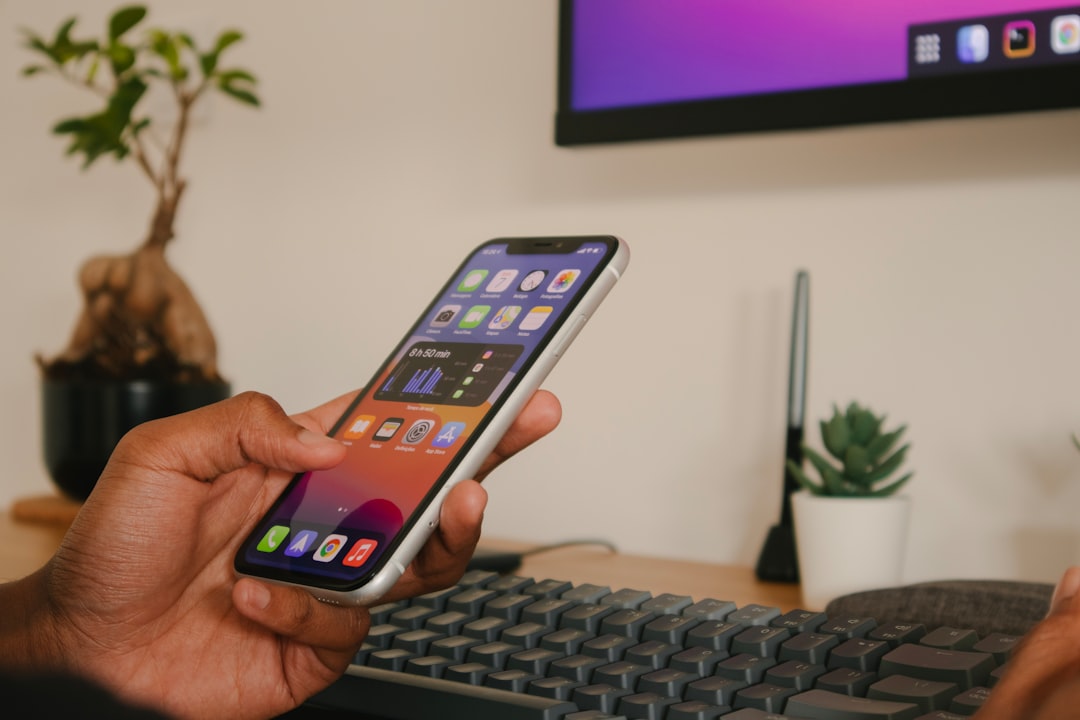
Google Translate is the most useful translation tool for breadth of coverage. No other tool handles 243 languages, and features like camera translation (point your phone at text and see it translated in real time) and live conversation mode have no competitor. For everyday use cases — travel, reading foreign-language content, quick communications — it remains the default choice by volume for good reason.
Test result: Translated the same business proposal into French. Output was accurate but required 12 tone corrections — too casual in places where the source was formal. For the same proposal in Swahili, Google Translate was the only tool that produced usable output.
Free limit: Unlimited for basic use. Paid from $20 per million characters (API).
Strengths: Language coverage, speed, camera translation, real-time voice. Weaknesses: Tone preservation, nuanced text, technical content.
ChatGPT — Best for context-aware and instruction-driven translation
ChatGPT is not technically a translation tool, but it is often the best option for translation tasks that require context and instructions. Tell it to translate with formal tone, preserve industry terminology, and flag any terms where multiple translations are plausible — and it follows those instructions in ways that dedicated tools cannot. For nuanced business documents, legal text, and marketing copy, the ability to direct the translation process outweighs the speed advantage of dedicated tools.
Test result: Asked to translate the business proposal while preserving formal tone, converting any metric measurements to imperial, and flagging any idioms that do not translate well. ChatGPT was the only tool that completed all three instructions correctly.
Free limit: Generous daily limit. Paid from $20/month for Plus.
Strengths: Follow specific instructions, adapt tone, explain translation choices. Weaknesses: Slower than dedicated tools, inconsistent on long documents.
Claude — Best for large documents and maintaining voice
Claude’s 200K context window makes it the best option for translating long documents where consistency matters. Translate a 10,000-word report and terminology stays consistent from section to section — something that document-chunking in shorter-context tools often breaks. Claude also follows complex style instructions well, making it useful for marketing content and documents where voice preservation matters as much as accuracy.
Test result: Translated a 3,000-word marketing case study into Spanish. Claude maintained consistent use of formal “usted” throughout, preserved all brand terminology, and needed the fewest edits of any tool tested. DeepL was a close second.
Free limit: Generous daily limit. Paid from $20/month for Pro.
Strengths: Consistency across long documents, nuance, follows complex style briefs. Weaknesses: Slower than dedicated tools, no specialized translation interface.
Which AI translation tool to use — by task

| Use case | Best tool | Why |
|---|---|---|
| Quick travel translation | Google Translate | Camera, voice, offline modes |
| Business documents | DeepL | Best tone preservation |
| Marketing copy | Claude or ChatGPT | Voice and instruction following |
| Technical / legal text | ChatGPT | Can explain choices, flag ambiguity |
| Rare languages | Google Translate | Only tool with 243-language coverage |
| Long documents (5K+ words) | Claude | Consistent across full length |
| European languages (quality) | DeepL | Preferred by professional translators |
| Video subtitles | Whisper + DeepL | Specialized workflow |
When you still need a human translator

AI translation has real limits in 2026. Legal documents that require certified translation, highly technical content in specialized fields (medical, pharmaceutical, aerospace), and marketing copy that will reach a large audience in a language you cannot verify — these still warrant professional human translators.
The useful mental model: AI translation is reliable enough for communication and understanding. It is not reliable enough for documents where an error carries legal, medical, or significant reputational consequences.
The reliability gap: AI translation error rates have improved dramatically but are not zero. For a 1,000-word document, expect 2–5 errors that require correction by a native speaker. For legal or medical content, even a single mistranslation can be consequential.
If you want to understand how these tools compare on everyday tasks, see our ChatGPT vs Claude vs Gemini comparison or the full free AI tools guide which covers what you get from each tool at no cost.
Frequently Asked Questions
Q: Is DeepL free to use?
DeepL has a free plan that covers 500,000 characters per month — enough for regular business email translation and short documents. Paid plans start at $8.74 per month and add a higher character limit, glossary features, and a document translation mode that preserves your original formatting.
Q: Can AI translate legal documents reliably?
Not without human review. AI translation is accurate enough for understanding legal text, but certified translation — the kind required for courts, immigration applications, or official filings — still requires a qualified human translator. AI can be a useful first pass to understand the content, but should not be used as the final version of any legally binding document.
Q: Which AI translation tool is best for Spanish?
DeepL is the top choice for Spanish, particularly for European Spanish business and formal writing. It consistently outperforms Google Translate on tone preservation for Spanish and Portuguese. ChatGPT or Claude are better if you need specific instruction-following — for example, translating while keeping a specific formality level or preserving brand terminology throughout.